Apple uses a new technology in the iPhone 11 devices that helps reduce slow performance or random shutdown as batteries age. Apple recently provided details on how this feature works. According to a support document revealed by 9to5Mac. Here's what you should know about it.

Performance and energy management system
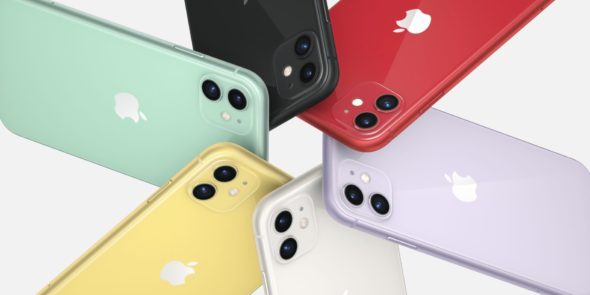
In short, the new system depends on a combination of the way the software represented by the iOS 13 operating system and the new hardware works to ensure that the iPhone continues to provide the best possible performance as the battery ages.
Apple says that this hybrid system works in an automatic and permanent manner, and this means that it will not require any significant user intervention. It is also more advanced and intelligent than previous energy management systems, where dynamic monitoring is used to manage performance and energy needs in real time.
Of course, no one can deny that battery deterioration and aging is inevitable as it is inevitable that a day comes and begins to deteriorate until it is replaced, and it is also known that all lithium-ion batteries have a limited life. And Apple notes that even under the new system, aging batteries can have noticeable effects on performance. This includes apps loading slower than before, backlight dimming, volume reduction, and a decrease in wireless data performance. But Apple means that the new feature reduces the speed of this deterioration and slows it down a lot.
Dispute over battery performance in the past
Apple's attempts to balance performance and power management have sparked major criticism in the past, starting with iOS 10.2.1 in late 2017, which led to a class action lawsuit against Apple and investigation into the matter around the world. Where the energy management system at this time slowed down the performance of the iPhone to reduce the number of times of random shutdowns due to batteries that have advanced chemical age. It even spread among the tech community and even the common person that Apple did this to force users to buy new iPhones.
For its part, Apple said that it has not and will never do anything that intentionally shortens the life of any of its products, or even reduces the user experience to force them to upgrade their devices.
The iOS 10.2.1 performance management system and performance downgrade were objectively good as it turned out later from a critics point of view, but Apple's only fault was that it did not inform users of what it had done.
In the wake of this, Apple implemented a host of new tools that help raise battery efficiency, including the ability to manually disable performance management.
Apple has also implemented a new battery charging optimization feature in iOS 13, which uses machine learning and artificial intelligence to analyze your charging habits. In theory, you should reduce the time that your device stays at unhealthy charging levels on the battery, which are said to be less than 25%, so you should always keep your phone above this level, and in this way and others can slow down the speed of battery degradation.
What does this mean for users
As with Apple's other battery health features, the new iPhone 11 and iPhone 11 Pro devices' power management system will allow them to run at peak performance for a longer period. Thus, iPhone 11 devices are characterized by larger batteries and better energy efficiency than previous devices. Their batteries should last longer and perform better as they age.
In no way can battery aging be completely prevented depending on the current level of technology, but Apple has made it clear that over the past two years it is doing anything in its power to mitigate it.
To review the health of your iPhone's battery and see if Apple recommends replacing the battery, go to Settings - Battery - Battery Health on iOS 11.3 or later. Apple usually recommends replacing the iPhone battery once it drops below 80 percent.
And for your information, the cost of replacing batteries costs $ 69 for the latest iPhones if it is out of warranty. Or it's free to change with AppleCare +.
Source:




11 comment