Adding tiny cameras to AirPods and Apple Watch, and exciting features in iOS 19AI-powered battery optimization, iPhone shipments in China declining, Android 16 copying iOS features, and other exciting news on the sidelines…

Fortnite returns to the US App Store

Epic Games resubmitted Fortnite to the US App Store on Friday and waited more than 120 hours for Apple's response. The company withdrew its initial review request and then submitted a new version with weekly updates adding new content for players, but so far, the status of Apple's approval remains unclear.
In 2020, Apple banned Epic Games' account after it violated App Store rules by adding online payment options, sparking a lengthy legal dispute. Due to this ban, Epic Games used an account belonging to its Swedish subsidiary to offer Fortnite. New rules now require Apple to allow developers to redirect customers to payment options outside the App Store, a practice previously associated with the Fortnite ban. Although Apple is appealing this injunction, it is temporarily obligated to enforce it, giving Epic Games hope for a comeback.
Apple prepares for WWDC 2025 with updated developer app

As WWDC 2025 approaches, Apple has updated its developer app to prepare for the event. The updated app will feature conference session videos, opportunities to interact directly with Apple engineers, and other content relevant to developers. The conference's keynote and other important sessions will also be streamed via the app throughout the week of the conference.
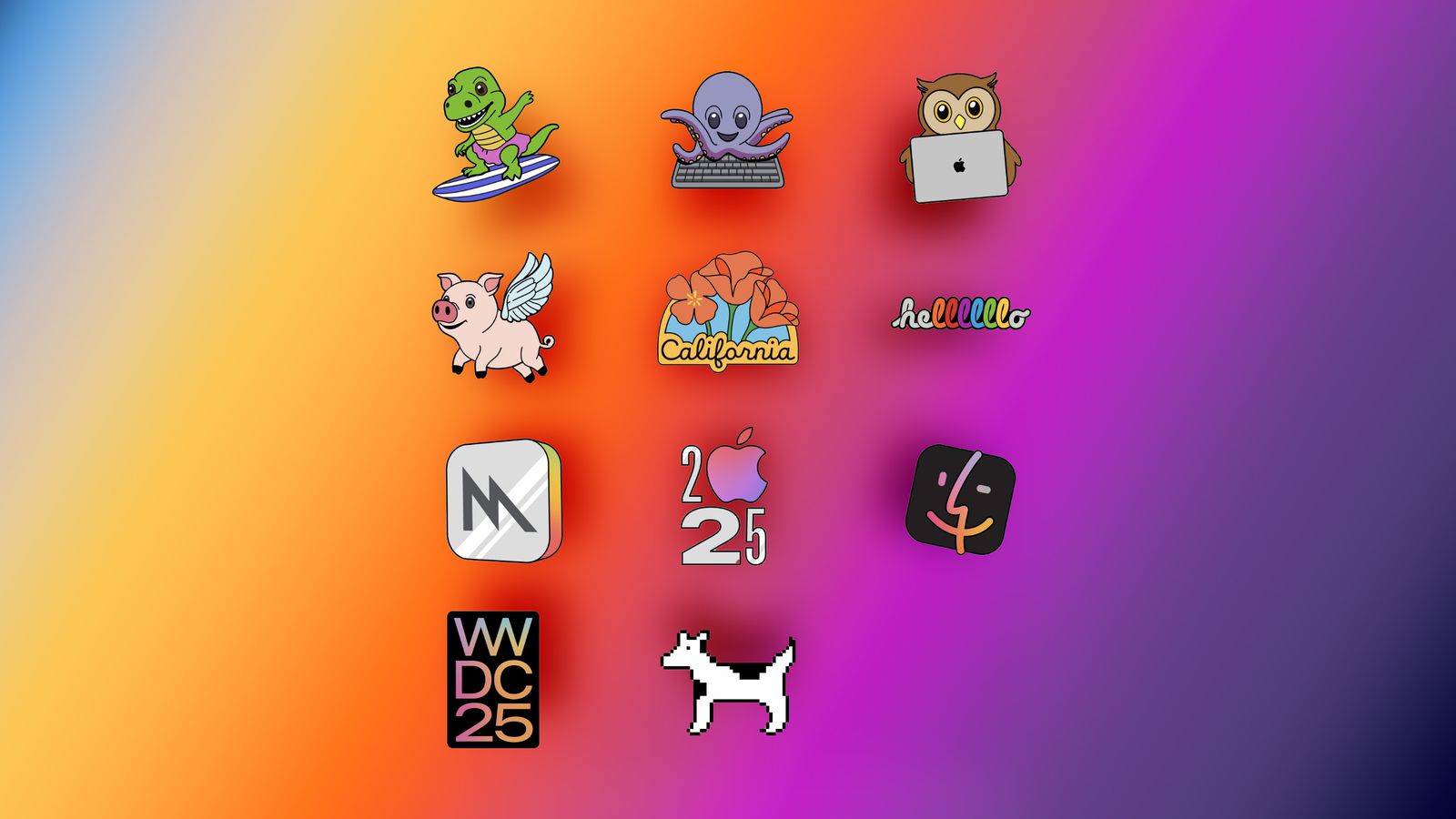
During the conference, Apple will unveil new versions of its operating systems, such as iOS 19, iPadOS 19, macOS 16, and more. Apple also added fun new stickers to the Messages app, including a skating dinosaur, an octopus with a keyboard, and a flying pig, in addition to colorful stickers. The conference will begin on Monday, June 9, with a keynote event, and the developer app is available for free download from the App Store.
Demand for iPads surges, with Apple outperforming Samsung and Xiaomi.
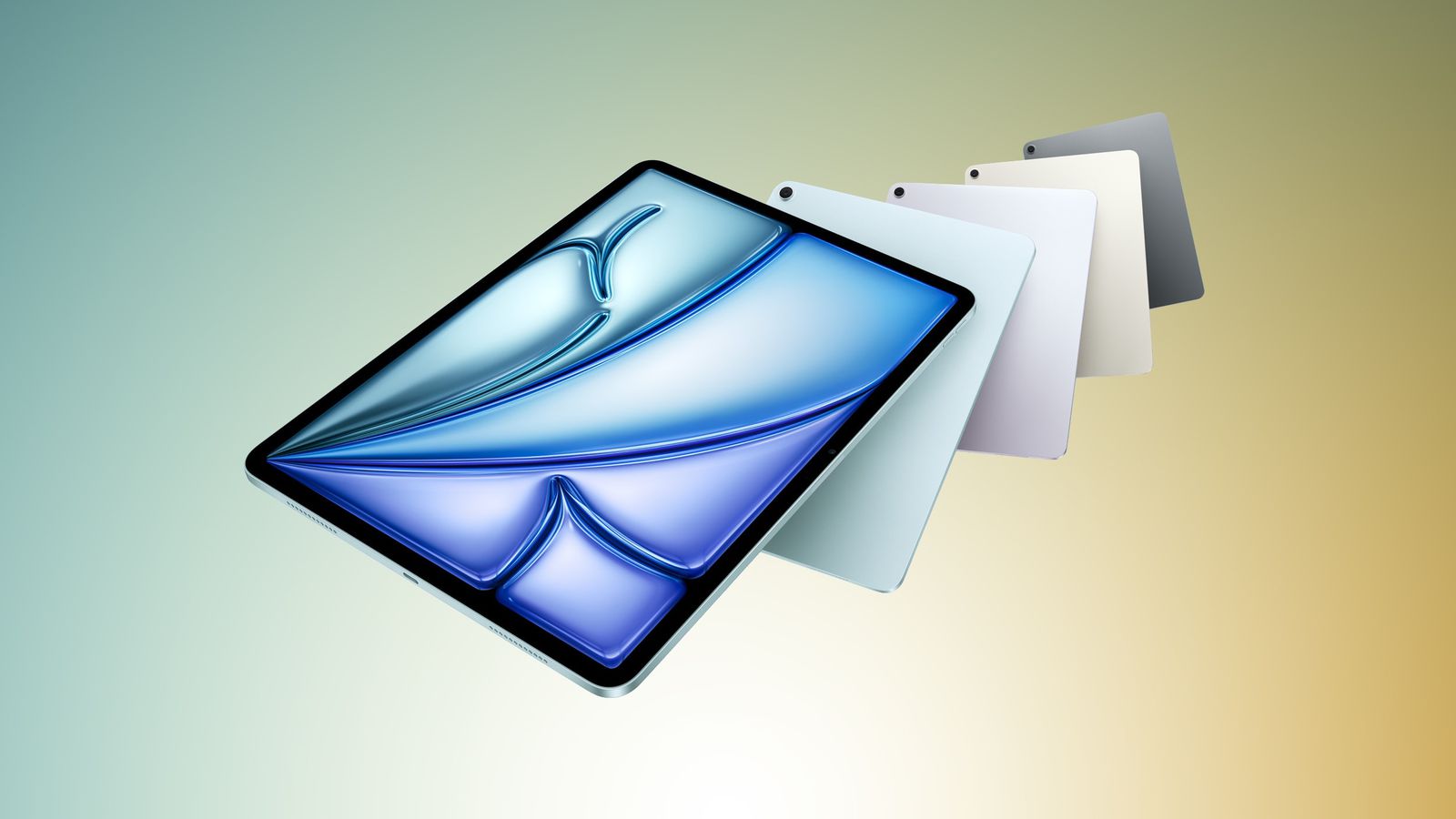
Apple achieved remarkable growth in iPad sales during the first quarter of 2025, with shipments increasing by 14% compared to the same period last year, reaching 13.7 million units. This increased its global market share to 37.3%, clearly outperforming competitors such as Samsung and Xiaomi. This success is due in part to recent iPad updates, as well as renewed demand from users who purchased their older devices during the COVID-XNUMX pandemic. Despite strong competition from Chinese companies such as Xiaomi, Huawei, and Honor, particularly in the lower-end segments, Apple has continued to make steady progress in the tablet market.
iPhones in 2027 may use advanced AI memory technology.
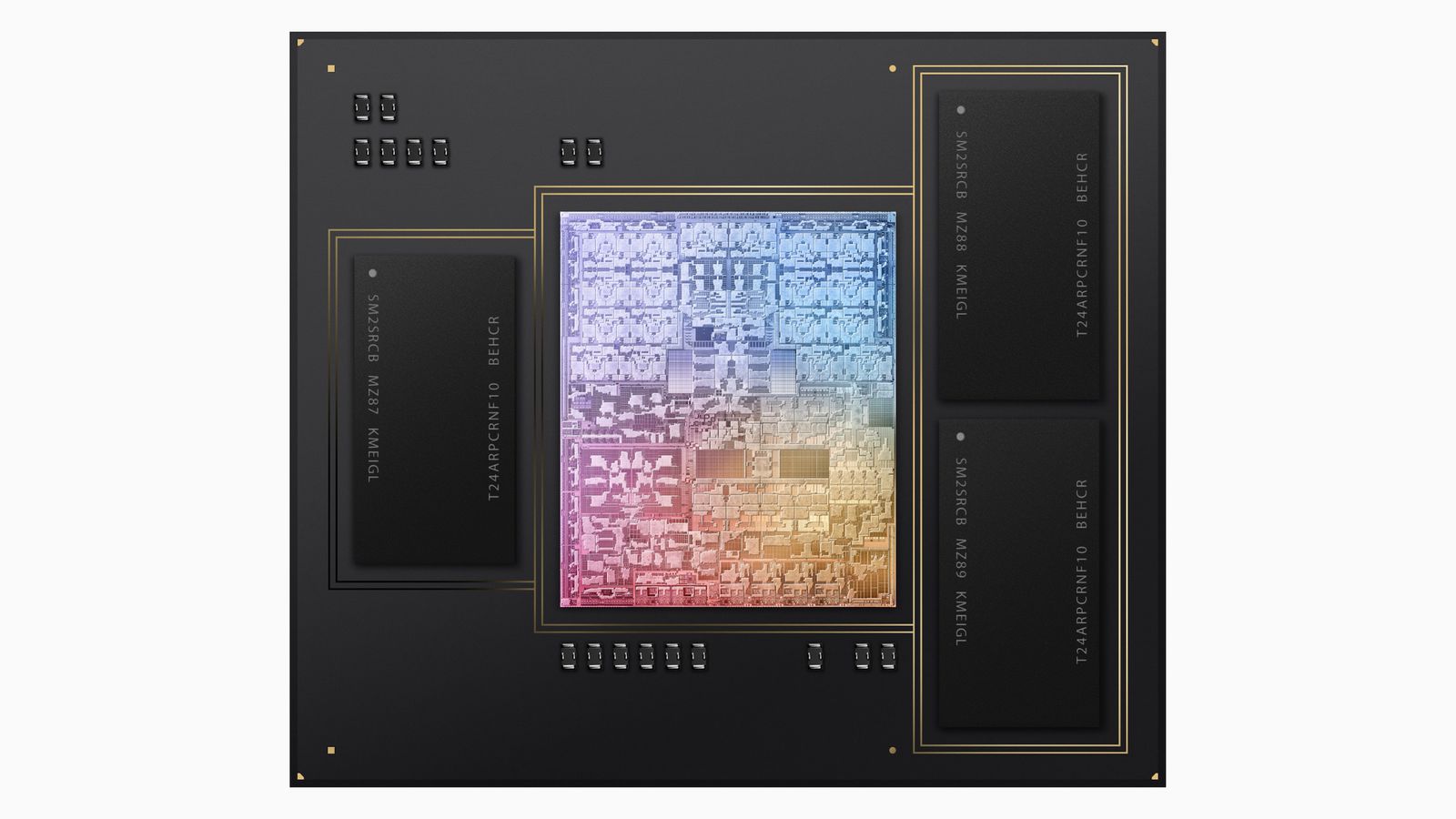
Apple is planning to introduce new technologies to celebrate the 20th anniversary of the iPhone, including an advanced memory technology called "Mobile HBM." This technology, currently used in artificial intelligence (AI) servers, enables extremely fast data transfer thanks to its vertically stacked memory chip design. Apple aims to use this technology in the iPhone to enhance AI performance directly on the device, allowing intelligent applications such as word processing or advanced visualization tasks to run without significant battery consumption.
Apple has discussed these plans with major companies such as Samsung and SK hynix, which are developing special versions of this technology for mobile devices, with production expected to begin after 2026. However, challenges remain, such as the high cost of manufacturing this memory and the difficulty of controlling heat inside thin devices like the iPhone. If Apple succeeds in implementing this technology by 2027, it could be part of a distinctive iPhone design that includes a bezel-less display that curves around all sides of the device.
iPhone 20th Anniversary: Revolutionary design with a bezel-less display
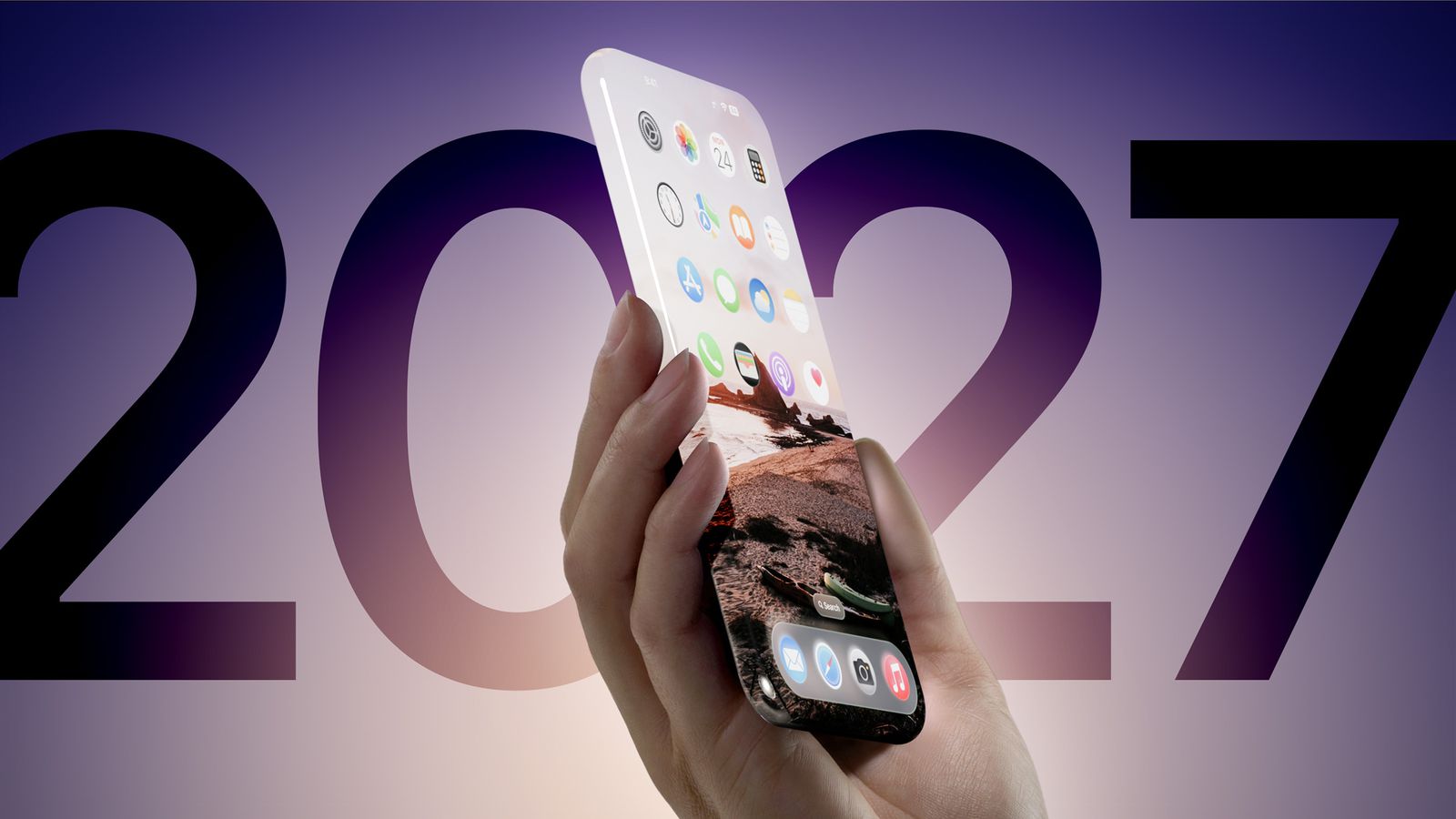
Apple is planning to introduce an entirely new design for the 2027 iPhone, which will mark the 16th anniversary of the first iPhone. The screen will feature no visible bezels and will curve around all four sides. According to reports from Korea, Apple will use an advanced display technology known as "quadruple curvature," allowing the screen to cover the entirety of the device, creating a borderless viewing experience. This trend will be accompanied by significant hardware advancements, such as the use of energy-efficient 2017-nanometer display chips and the adoption of silicon batteries for increased efficiency. Despite significant technical challenges, such as hiding the camera and speakers under the display and durability issues, Apple may be close to achieving a design leap similar to what it achieved with the iPhone X in 20. This ambitious move could be a fitting celebration of the XNUMXth anniversary of the company's most popular device.
Android 16 offers over-the-air updates similar to an iPhone feature.
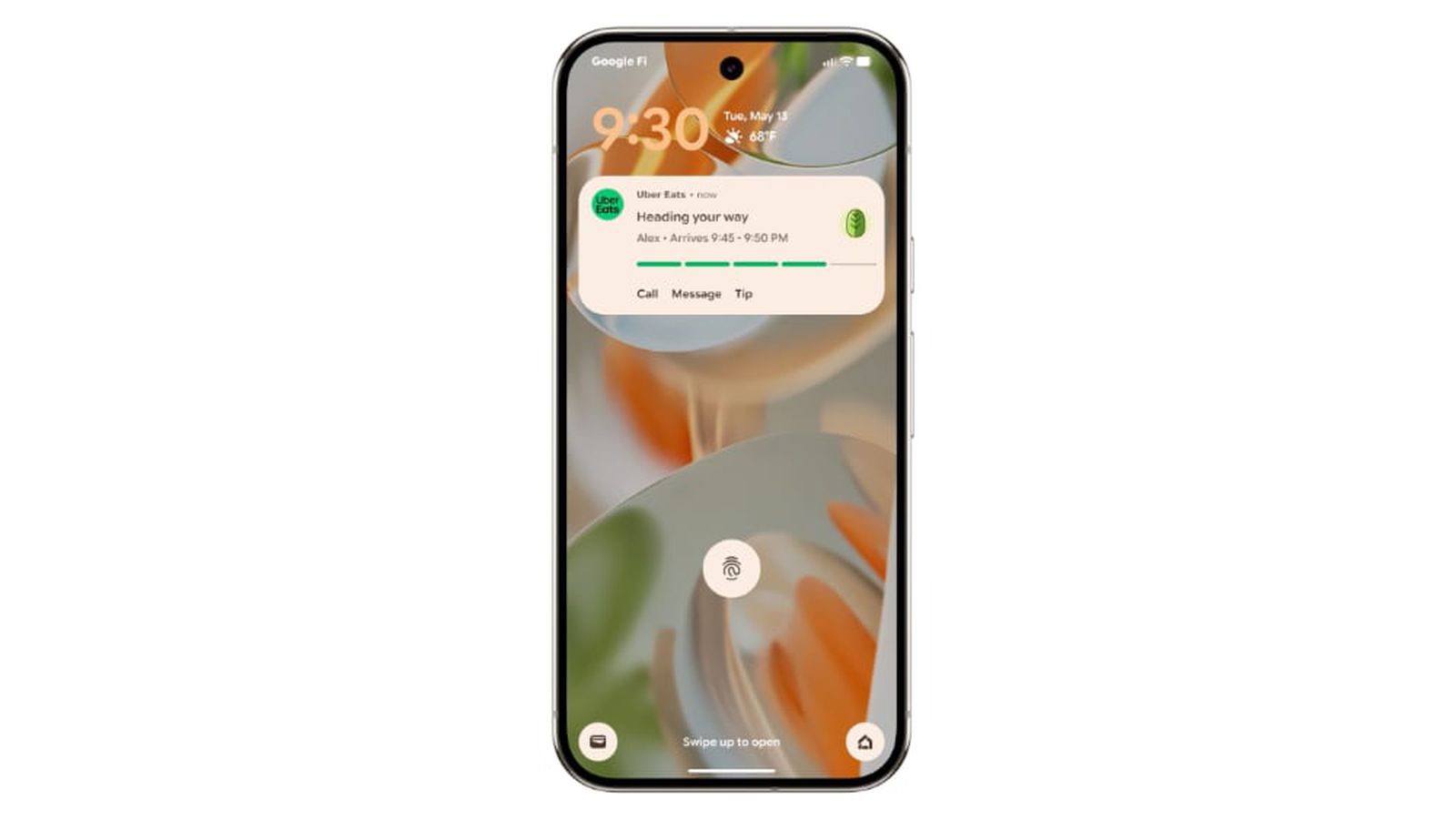
Google announced Android 16 with a new design and innovative features, most notably "Live Updates," similar to the iPhone's "Live Activity." This feature allows Android users to track app notifications, such as tracking food orders or rides, directly on the lock or home screen, with the ability to tap for additional details. Android 16 also includes color and motion improvements, and Apple-inspired security features, such as "Search Center" for tracking people and objects, similar to the "Find Me" app, and an advanced protection option similar to "Lock Mode" for added protection. More features will be revealed at Google I/O next week.
Over a billion RCS messages are sent daily between Android and iPhone devices.
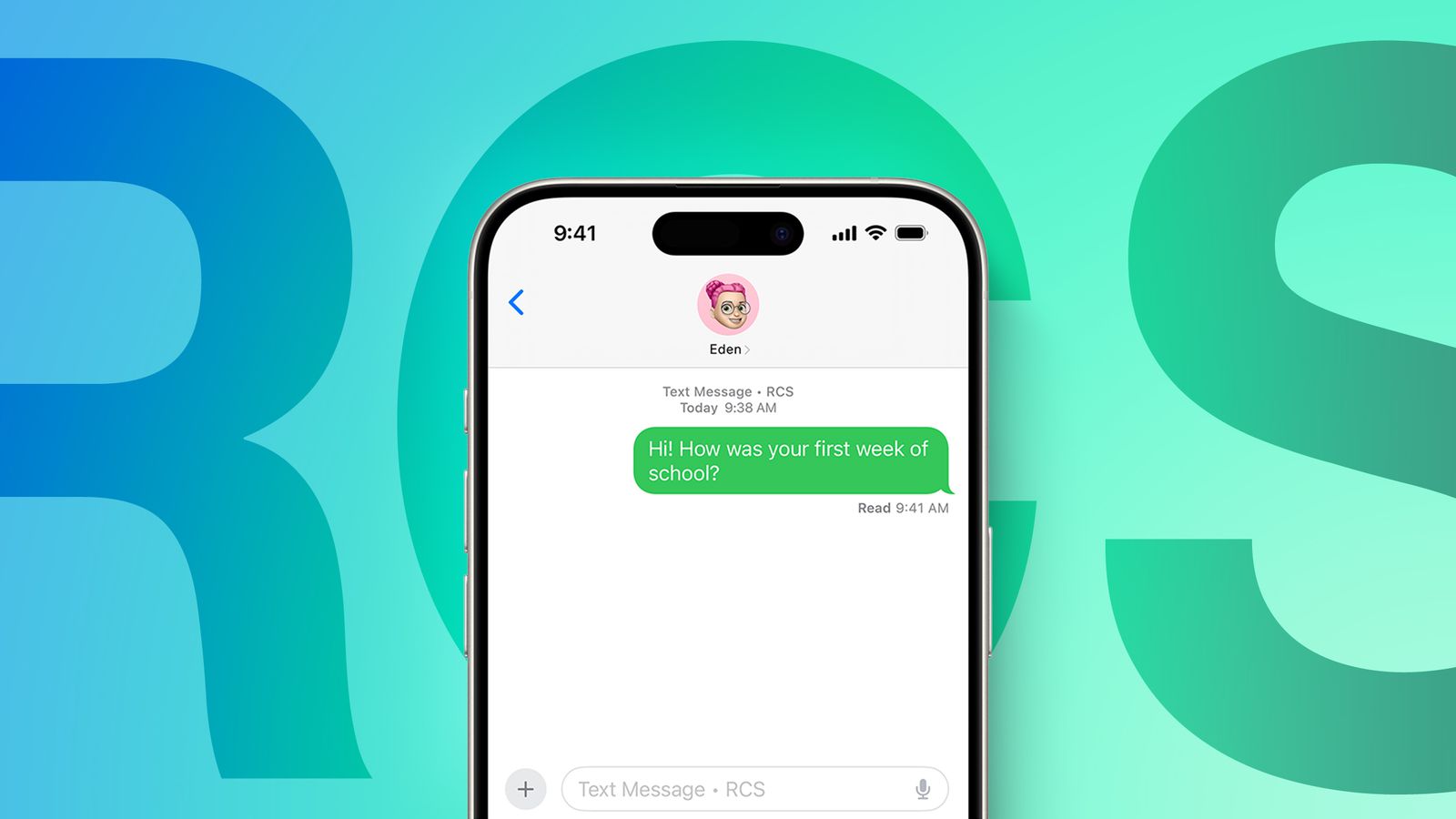
Google announced that over a billion messages are sent daily using RCS in the United States. RCS is a new technology designed to improve the texting experience and is a modern alternative to the outdated SMS and MMS technologies. After years of hesitation, Apple began supporting RCS in iOS 18, significantly improving communication between iPhone and Android users. Key features of RCS include sending high-quality photos and videos, audio messages, cross-platform emoji reactions, typing and read indicators, and improved group chats. While iMessage remains the default option on iPhones, "green bubble" messaging on Android is now more advanced and seamless, although some smaller carriers have yet to support RCS.
The iOS 19 update brings amazing improvements to the “Personal Audio” feature on the iPhone.
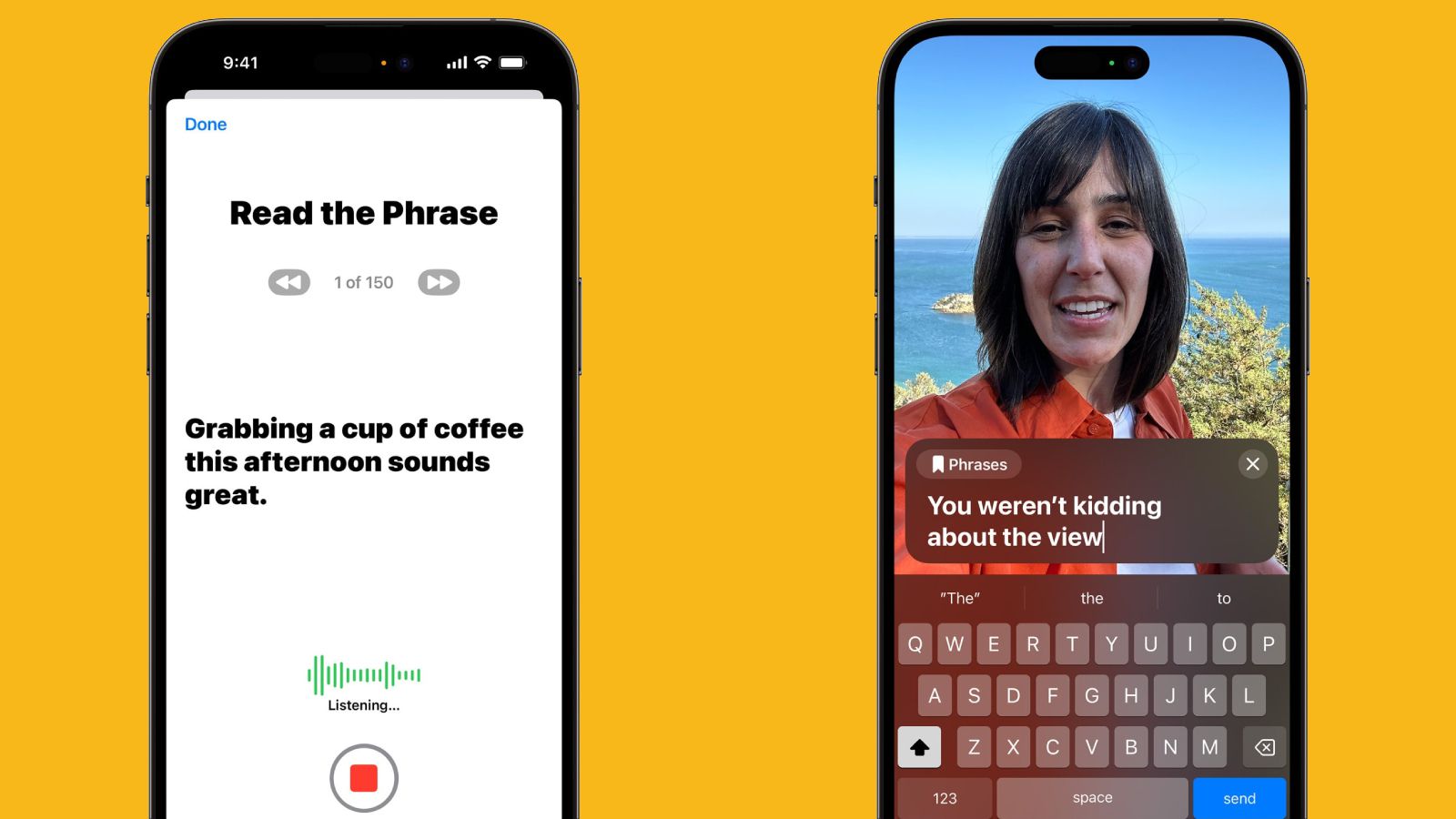
Apple announced that Personal Voice, a feature that allows users at risk of speech loss to create a voice version that sounds like their real voice, will receive significant improvements in iOS 19. Using advanced artificial intelligence and machine learning techniques, users will be able to create this voice in less than a minute, instead of the previous 15, with smoother and more natural quality. The feature will also support Mexican Spanish and will continue to integrate with Speak Direct, which allows users to type what they want to say and have their digital voice speak it during calls or conversations. These improvements will also be available for iPad and Mac devices via iPadOS 19 and macOS 16.
iPhone shipments in China fell by 50%
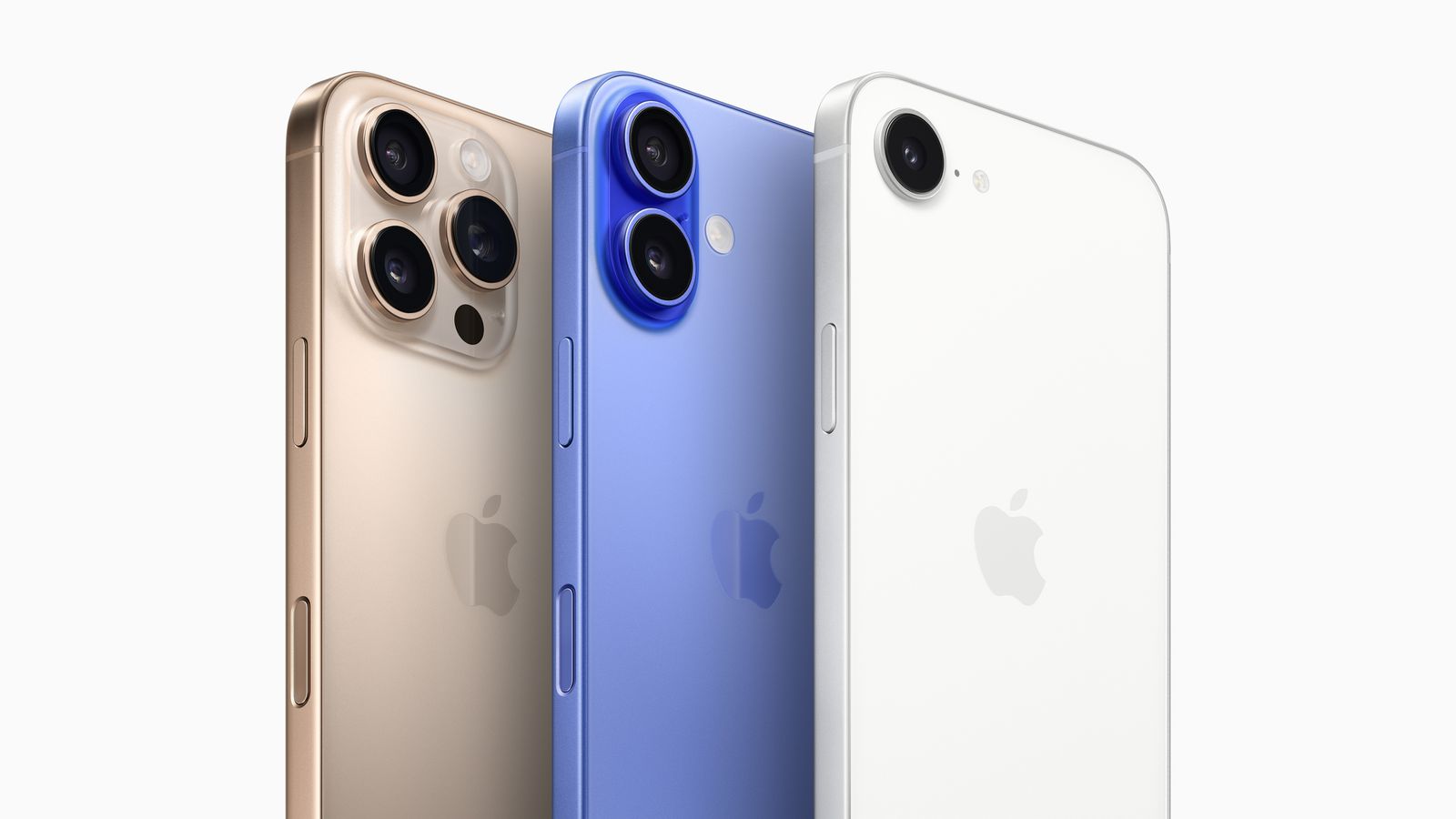
Smartphone shipments from foreign companies, particularly iPhones, saw a significant decline in China by 49.6% in March 2025. Shipments fell to just 1.89 million units, compared to 3.75 million units last year, shrinking Apple's market share to around 8%, while Chinese companies control 92% of shipments. During the first quarter of 2025, shipments from foreign companies declined by 25%, while overall smartphone shipments in China increased by 3.3%.
Apple faces stiff competition from domestic companies such as Huawei, which leads the market with a 19.4% share, followed by Vivo, Xiaomi, and Oppo. Apple has fallen to fifth place with a 14.1% share. Factors such as the Chinese government's subsidies for consumers purchasing phones under $820 and Apple's delays in developing artificial intelligence features have contributed to this decline. In response, Apple plans to cut prices on some iPhone 16 Pro models ahead of the "618" shopping festival, with CEO Tim Cook citing a 2% decline in revenue in China in the last quarter.
An AI battery management feature is coming in iOS 19.
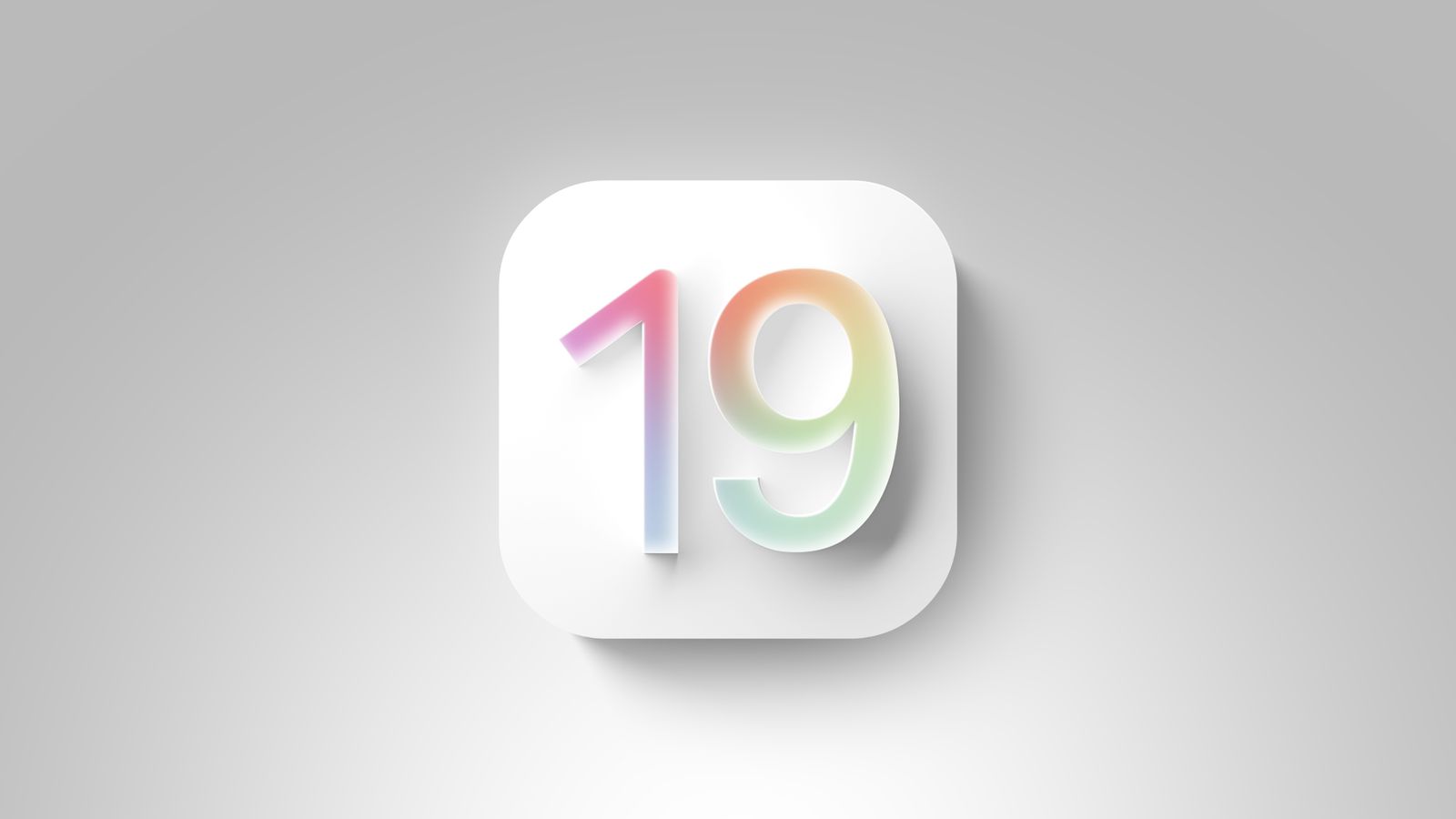
Apple is preparing to launch a new feature in iOS 19 that uses artificial intelligence to improve iPhone battery life. This technology will analyze how the device is used and automatically adjust power consumption to reduce unnecessary drain. The feature, part of the Apple Intelligence suite, will display the estimated time to fully charge the battery on the lock screen. This tool is specifically designed to enhance battery performance on the ultra-thin iPhone 17 Air, but it will be available to all devices that support iOS 19. The new update is also said to bring a new Glass design similar to VisionOS, updates to the Health app, and Siri, with a particular focus on improving stability and performance.
Miscellaneous news
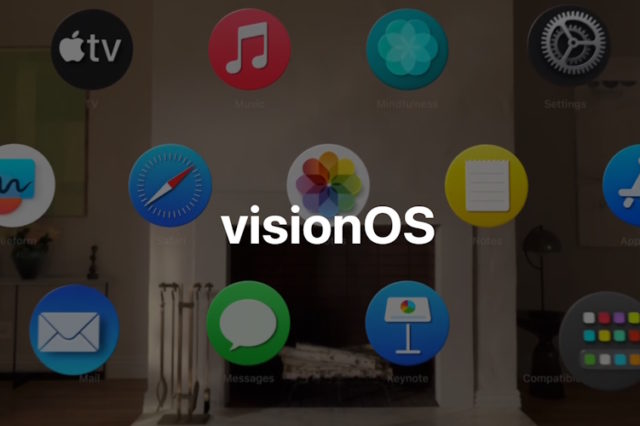
◉ Apple is currently developing a new feature in visionOS 3 for Apple Glasses that will allow users to browse websites and read content simply by moving their eyes, hands-free. This feature aims to facilitate interaction and will be added to all core apps, and Apple will provide tools for developers to integrate it into their apps. It's worth noting that Apple Glasses use cameras to track eye movement and scan iris for security purposes, technologies Apple has previously used in "accessibility" features on the iPhone and iPad. This feature is expected to be officially announced at the Worldwide Developers Conference on June 9.
◉ Apple is preparing to add a feature in macOS 16 that prevents Mac apps from accessing the Clipboard without explicit user interaction. This feature alerts users if an app attempts to read what has been copied without manually pasting it. This change is similar to what has been implemented on iPhone and iPad since iOS 14, with the aim of protecting privacy and preventing apps from spying on copied content such as text or images. The new update will also allow developers to examine the type of data in the Clipboard without actually reading it, striking a balance between privacy and the functionality required by some apps.
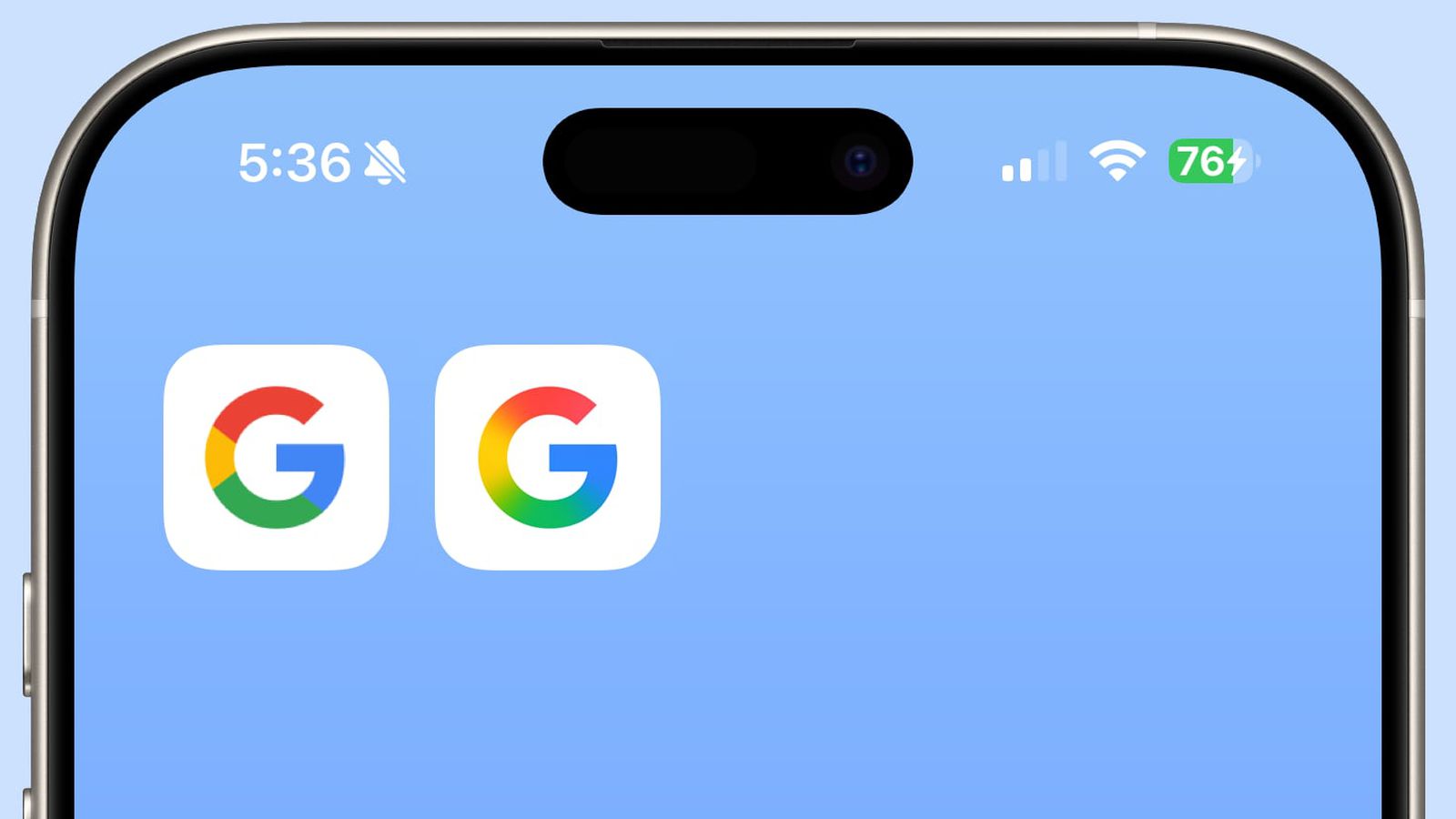
◉ Google has updated the design of its iconic "G" logo for the first time in a decade, maintaining the original shape and colors but replacing the separate colors with a gradient that seamlessly blends the colors together. The update first appeared in the Google Search app on iOS and Android, leaving no changes to the full "Google" logo, which still uses the separate colors.
◉ Apple has released iOS 18.5, which includes the first security fix for the C1 modem in the iPhone 16e, addressing a vulnerability in the baseband that could have allowed data interception by an attacker within the network. It also includes other security fixes covering photos, calls, Bluetooth, FaceTime, Notes, and WebKit. Apple recommends updating devices immediately.
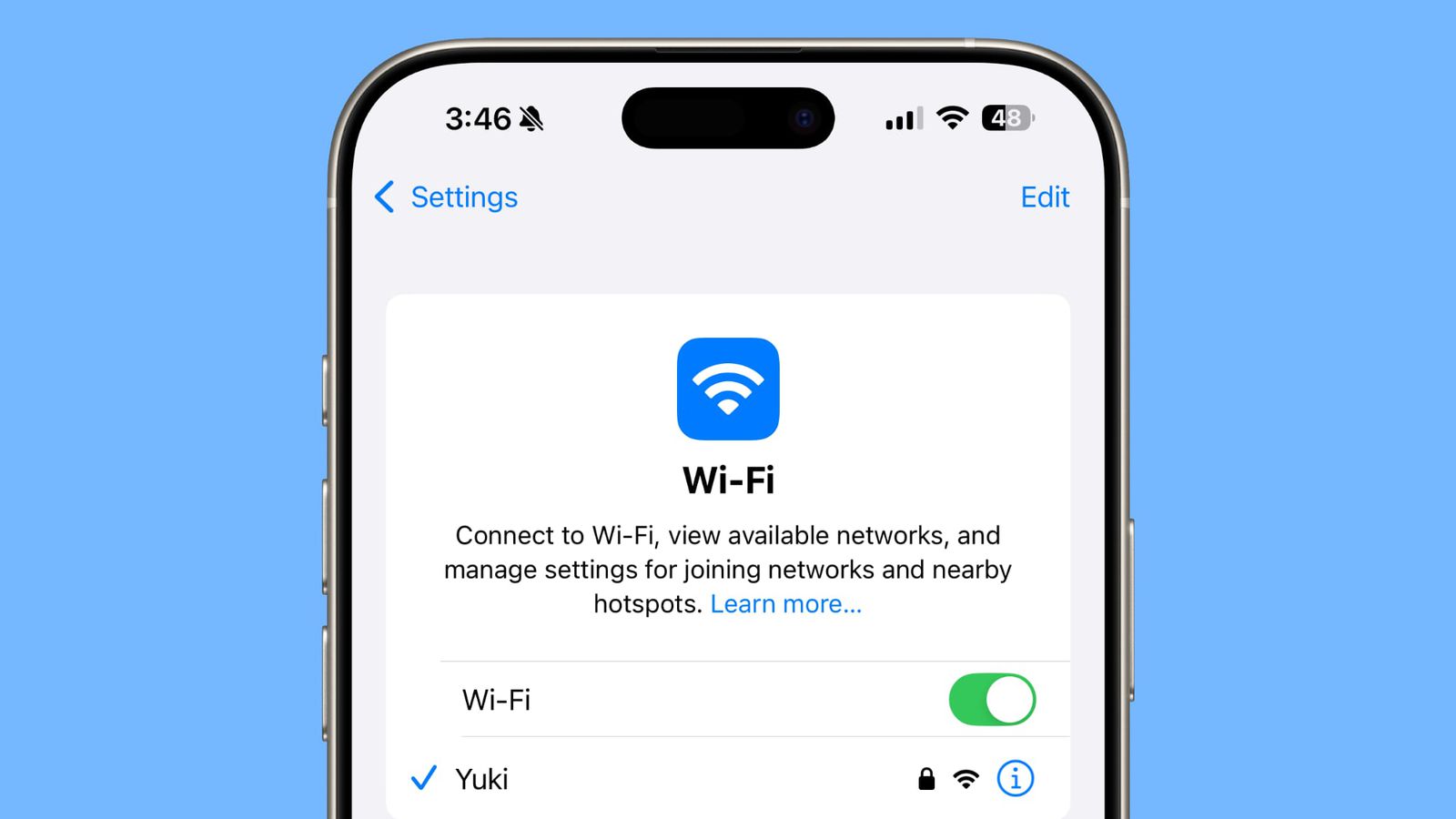
◉ Apple is also working on a new feature in iOS 19 that will allow login credentials for gated Wi-Fi networks, such as hotels and cafes, to be synced across users' devices. This allows users to enter credentials once on their iPhone, for example, and automatically use them on their iPad and Mac, saving time and making it easier to connect to these networks.
◉ Apple plans to add small cameras to AirPods and the Apple Watch by 2027, integrating Apple's AI technologies. These cameras will be able to analyze the environment and recognize objects. Apple is also working on smart glasses similar to Meta Glasses, which will feature cameras, microphones, and artificial intelligence. These glasses are expected to launch around the same time. The cameras are expected to support infrared technology for in-air gesture control, and production may begin in 2026.
Sources:
1 | 2 | 3 | 4 | 5 | 6 | 7 | 8 | 9 | 10| 11| 12| 13| 14| 15





11 comment